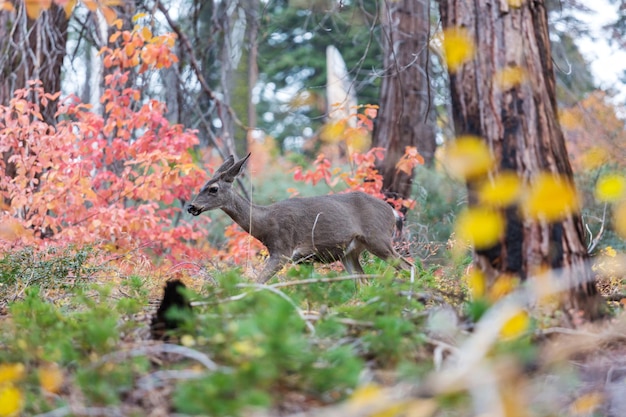
The Michigan Department of Natural Resources (DNR) has confirmed the first cases of epizootic hemorrhagic disease (EHD) in white-tailed deer across Eaton, Jackson, Van Buren, and Washtenaw counties in 2025. This marks the beginning of what could be a significant wildlife health event as the state enters peak deer hunting season.
White-tailed deer, commonly found in southern Michigan, are the primary species affected by EHD.
Epizootic hemorrhagic disease is a viral illness transmitted by tiny biting midges, scientifically known as Culicoides species. While EHD can be fatal to deer, it poses no threat to humans, pets, or livestock. The virus causes internal bleeding, fever, and organ failure in infected animals, often leading to death within 5 to 10 days of infection.
EHD is not contagious between deer. Instead, transmission occurs exclusively through the bite of infected midges, which thrive in warm, dry conditions—especially near drying water sources where they lay eggs.
The DNR has confirmed EHD in free-ranging white-tailed deer in four counties: Eaton, Jackson, Van Buren, and Washtenaw. These cases represent the first official detections of the disease in Michigan for 2025. While the number of confirmed cases remains low at this stage, wildlife officials are closely monitoring the situation due to the potential for rapid spread under favorable environmental conditions.
The outbreak comes at a sensitive time, just as Michigan’s hunting season approaches. Hunters, wildlife watchers, and landowners are being urged to report any sightings of sick or dead deer to local DNR offices.
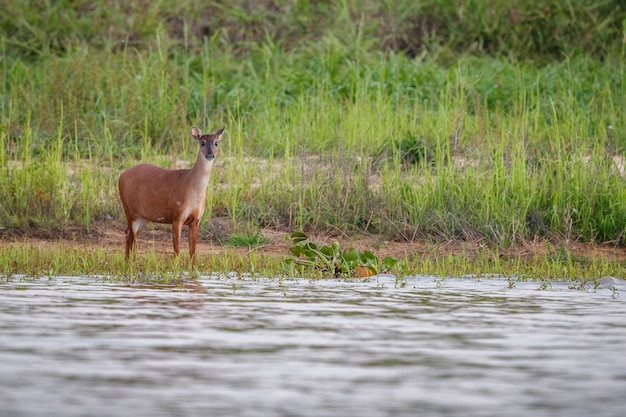
Deer often gather near water sources, which are also breeding grounds for EHD-carrying midges.
Infected deer may display a range of symptoms, including:
In many cases, dead deer are found near ponds, streams, or other water sources—a telltale sign of EHD infection.
EHD outbreaks can lead to localized declines in deer populations, particularly in areas with high deer density and prolonged dry spells. However, most outbreaks subside naturally with the first hard frost, which kills the midge population.
While the current cases are limited to four counties, the DNR warns that additional cases may emerge in neighboring regions. Hunters are advised to avoid harvesting deer that appear sick or behave abnormally. Although EHD does not affect humans, the DNR recommends field-dressing game with caution and thoroughly cooking all venison.
The DNR emphasizes that EHD is not a public health risk. The virus cannot infect humans or domestic animals, and there is no evidence of transmission through contact with infected deer or consumption of cooked venison.
Residents are encouraged to avoid handling dead or sick deer. If a dead deer is found on private property, landowners should contact their local DNR office for guidance on safe disposal.
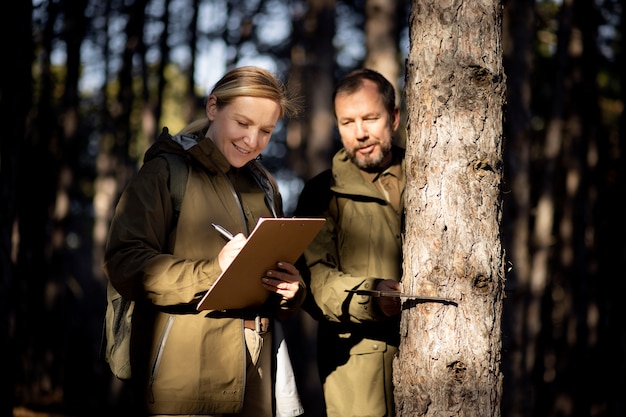
DNR officers are actively monitoring and investigating reports of sick or dead deer.
The Michigan DNR is actively tracking EHD through public reports, field surveillance, and laboratory testing. Citizens can report sightings of sick or dead deer through the DNR’s online reporting system or by calling their regional office.
Earlier in the year, EHD was detected in 11 counties across West and Southwest Michigan, indicating a broader pattern of seasonal outbreaks. The DNR continues to assess the geographic spread and potential long-term impact on Michigan’s deer herd.
There is no vaccine or treatment for EHD in wild deer populations. Control efforts focus on monitoring and public awareness. The natural lifecycle of the midge vector means that EHD activity typically declines in late fall as temperatures drop.
Wildlife biologists note that while EHD can cause short-term mortality, deer populations often recover over time. Predation, habitat quality, and winter severity also play significant roles in herd dynamics.
As the situation evolves, the DNR will provide updates on confirmed cases, affected areas, and any changes in recommendations for hunters and the public. Staying informed through official channels is the best way to ensure safety and support wildlife conservation efforts.
Michigan’s rich deer population is a vital part of the state’s ecosystem and outdoor heritage. By understanding EHD and reporting unusual wildlife activity, citizens can help protect this valuable resource for future generations.

Health

Fitness

Health

Health